
 0
0
 0
0
The idea of feminism continues to be met by a lack of awareness and understanding. Why else would a friend of our author ask her if feminists hate men?
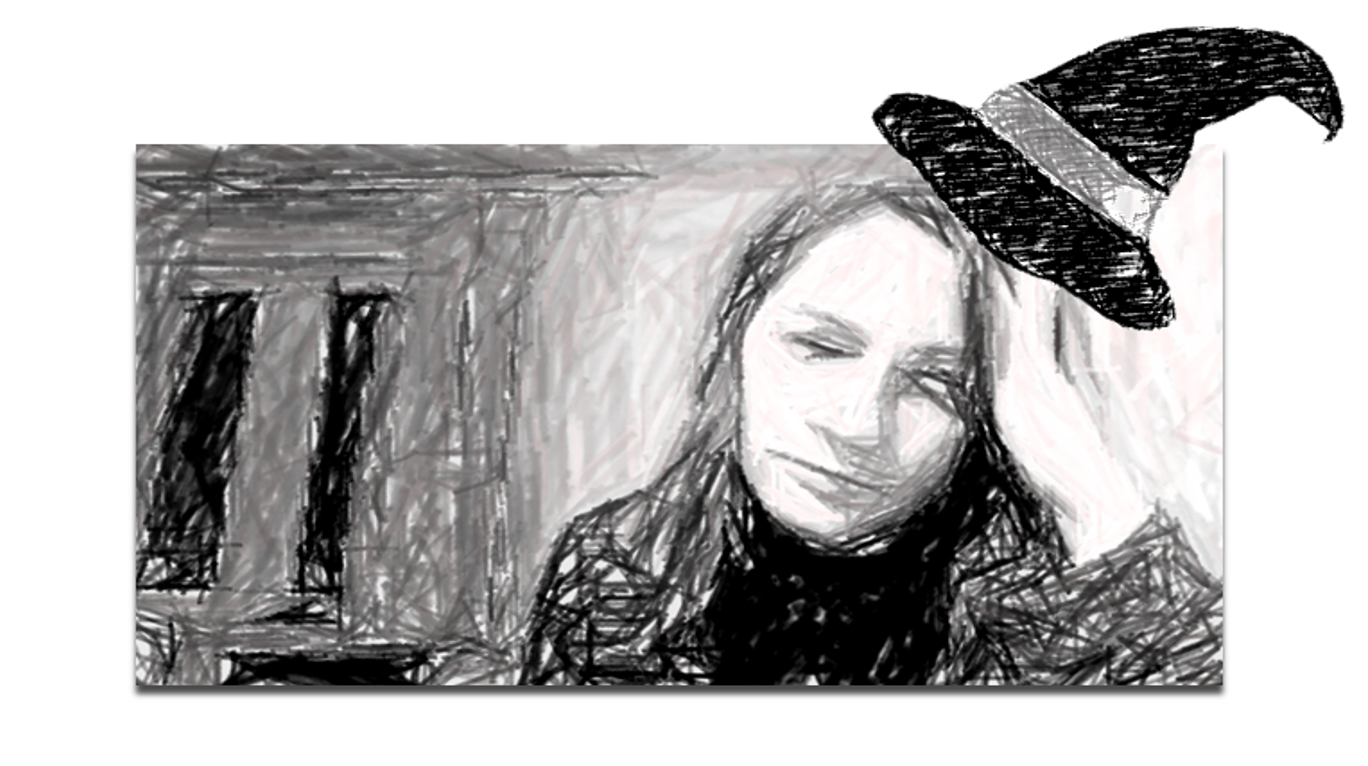
When I first became involved in the feminist movement, which was fairly recent, my boyfriend seemed bemused by the idea. Whilst he was going to skating competitions and football matches, I was working with a women’s lobby group and participating in discussions and conventions focused around gender equality. I was drawn to the action, and at first I don’t think he understood why I felt so enthusiastic and driven to get more and more involved. What is the movement about? What do you do? Is it really needed? I mean today’s society is pretty equal right? Where are the problems? Who are these women??
Despite my various attempts to explain the cause and my passion for it, this air of confusion and bewilderment that clouds his understanding of the feminist phenomena persists. On a recent Skype call following my attendance at the Agora European Women’s Lobby summer school, he asked me whether all the participants were “hard-core feminists”, “like do they all really hate men?” In my outburst of a reaction, not only did I try to reassure him that no, feminists do not hate men, but alas, that they too fight for men’s rights, regards stereotypes and the family. A moments silence, a nod of contemplation and a look so intent on understanding followed, yet the vague blankness in his eyes did not hide his failure to fully grasp this bizarre concept.

This small example demonstrates the lack of awareness and understanding that surrounds the notion of feminism today. Having spent 5 intense days with women from all over Europe, I was shocked by the revelation that my own partner could perceive my experience as anything different to the inspiring, beautiful and profound time that it had been. Had he thought that I had embarked on a 5 day witch hunt against all men; that we, a group of cackling rampaging hate fueled women had spent 5 days chanting and scheming around a cauldron brimming with melting footballs and game-boys? Is he concerned that beneath my smiles, carefree ease and banter, I hold a strong hatred against men, which simmers within my blood, harboured for all men but himself, or dare I say, even himself?
It is evident that gender inequality is not taking up enough space in the media, in discussions and in the home. It is a taboo topic, a problem formed of invisible boulders that cannot be touched or seen, and therefore does not exist. The Czech Republic, where I live, has a gender pay gap of 25%, yet the political agenda, speech within the media and civic discussion that surrounds this issue is appallingly low. This is also the case around Europe and indeed the World, where a small number of the population is lobbying for attention on women’s rights, yet the majority of civilians remain unaware, uninterested and worst of all unconvinced of the issues.
This is why movement at the ground level is so crucial. It is down to civil society to get the ball rolling and to spread the word. The more the issue is talked about, the higher the platform it will gain and the more accepted the notion will become. And I guess that all changes begin at home.
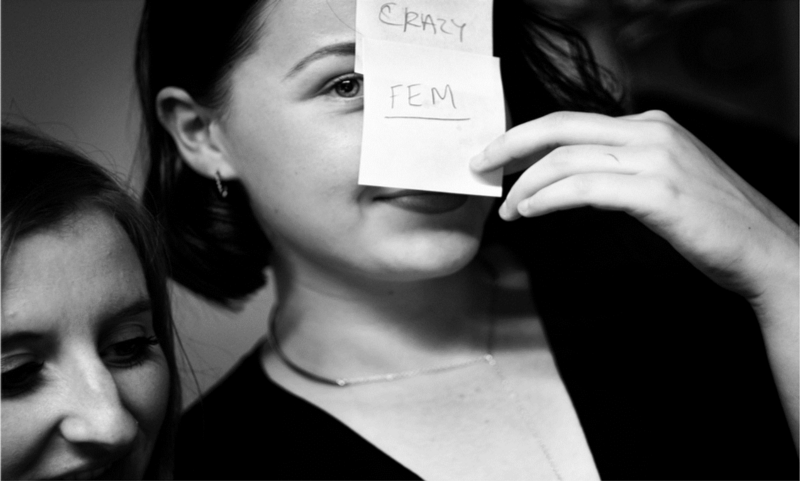
The original post was made available by courtesy of Claudia Shute
Představu o feminismu nadále obklopuje nedostatek povědomí a porozumění. Proč by se jinak přítel autorky ptal, jestli feministky nesnáší muže?
Když jsem se poprvé zapojila do feministického hnutí, můj přítel se zdál tímto mým krokem poněkud zmatený. Zatímco on chodil na fotbalové zápasy, já jsem pracovala v ženské lobby a účastnila se diskuzí a akcí zaměřených na genderovou rovnost. Zpočátku vůbec nechápal můj zápal pro věc a nadšení z většího zapojení do feministického hnutí. O čem je celé to hnutí? Co dělá a je vůbec ještě potřebné? Vždyť ženy už rovnosti dávno dosáhly ne? Kde jsou ty problémy, které řeší? Jaké ženy se angažují v tomto hnutí??
Přes veškeré mé snahy vysvětlit mu důvody mého zanícení u něho nadále přetrvávají zkreslené představy o fenoménu feminismu. Když jsme spolu nedávno skypovali, zrovna po mém návratu z AGORY – Feministické letní školy Evropské ženské lobby, se mě přítel zeptal, zda všechny účastnice byly „radikální feministky, které nesnáší muže“. V mé trochu rozčilené reakci jsem se ho snažila nejen znovu ujistit, že ne, že není pravda, že by feministky nesnášeli muže, ale naopak, že bojují i za práva mužů, například proti stereotypnímu vnímání mužů. Následoval moment ticha, jeho souhlasné přikývnutí a soustředěný výraz snažící se o porozumění, přesto jeho oči nedokázaly zakrýt nepochopení tohoto podivného konceptu.
Tento malý příklad názorně ukazuje, že současnou představu o feminismu obklopuje nedostatečné povědomí a porozumění. Poté co jsem strávila pět intenzivních dnů s ženami z celé Evropy, jsem byla šokovaná zjištěním, že můj vlastní partner může vnímat mou zkušenost jinak než jako skvěle strávený čas plný inspirace. Myslel si snad, že jsem na pět dní odjela na slet čarodějnic namířený proti všem mužům? Že jsme skupina chechtajících se rozběsněných žen plných nenávisti, které připravují intriky v kotlíku roztavených fotbalových míčů? Obává se, že se pod mými úsměvy skrývá silná nenávist vůči mužům, která vře v mé krvi a je určena všem mužům kromě něho, nebo je snad namířena i na něj?
Je evidentní, že genderovým nerovnostem se nevěnuje dostatek prostoru v médiích, v diskuzích ani doma. Toto téma je tabu, problém tvořený neviditelnými balvany, kterých se nelze dotknout či je vidět, tudíž jakoby problém neexistoval. V České republice, kde žiju, je rozdíl v odměňování žen a mužů 25 %, přesto je politická agenda, mediální a veřejná debata kolem této otázky naprosto minimální. To je případ i ostatních zemí Evropy a světa, kde malá část populace lobbuje za větší pozornost ženským právům, zatímco většina se nadále o tuto problematiku nezajímá a zůstává vůči ní lhostejná.
Proto je feministické hnutí na té nejnižší úrovni tak zásadní. Mělo by cílit na občanskou společnost a zvyšovat její povědomí o tomto hnutí. Čím více se o feminismu bude diskutovat, tím více hnutí získá a tím více bude přijímané. A domnívám se, že všechny změny by měly začít doma.
Původní anglický článek byl zveřejněn se svolením autorky Claudie Shute


Claudia Shute

Claudia Shute is a British contributor who has recently completed her Masters in European Politics in Prague, during which she worked for the Czech Women’s Lobby and Human Rights NGO, Czech Helsinki. During her Bachelors in French, Spanish and Politics, she worked in advertising in Paris and studied Gender Politics in Chile. She is currently writing her thesis on prostitution in the UK and the discourse within which the phenomenon is embedded. This May she will commence an internship at the UN information desk for the UK and Ireland in Brussels and looks forward to getting back in touch with the EWL and other feminist buddies!



I’d like to read more! As well I’d like to share an article with you that was published in 2014:
“Just as we need to continue to advocate for equality between the sexes, we also need to remind women and men what feminism entails, rather than let our opponents claim to define the movement for us.”
http://www.thedailybeast.com/articles/2014/07/24/you-don-t-hate-feminism-you-just-don-t-understand-it.html
Hey there! There will be more :)! Thanks a lot also for the link! I totally agree with the article, just was a bit puzzled by the statement “People do not realize you can be a feminist and pro-life” – pro-life most of the times simply means anti-choice, and how can you be a feminist and anti-choice at the same time? What’s your stance?
Hi Claudia!
I’m sorry to hear that your boyfriend does not really grasp the notion of being a feminist. But I can assure you that it takes time and a lot of effort :). My boyfriend now begins to understand that equality for women will lead to a better world for both women and men and he adores it that I am a feminist and that I want to fight for feminism. But this is just made possible over more than 1 year of informing with a lot of arguments about women’s rights and the lack of them.
Before I met him I was a bit extreme in my view because I only had met a lot of nasty and sexist men, more than good understanding men. Now my viewpoints are changed and I can be more moderate about how I spread the feminist message. This is also thanks to him and his view on men he shares with me whenever we talk about feminism. And that is the beauty of it! A woman and a man talking with each other about something so crucial as feminism and in this manner including both the female as male view on it!
So I really hope he will begin to understand it (my boyfriend is even looking up articles and studies to comprehend it better) because it is such a relief if you can be supported as a feminist and certainly if that support is given by the man you love.
So yeah my boyfriend was super happy about the fact I could be with you all on the summer camp and he just said yesterday that he heard me changing in a more positive person just because I was able to participate in such wonderful event and I am doing the master gender en diversity now.
So he won’t change but rather encourage the fact that I am a feminist!
Thanks for your comment Ashley, it warmed my heart! Good luck with your studies, and what a great decision!
He actually completely surprised me last week when we were out partying, he was telling everyone at the table how important feminism is haha so maybe I have converted him!! The response from his friends though was interesting, they were all groaning and booing him! Can you believe that! I just can’t believe the response such a word can evoke from people who barely know what it entails…