The Need for New Feminist Perspectives on Sex Work
Sex work remains one of the most contested issues in the feminist debate. The discourse, however, has become increasingly polarised into two entrenched

Sex work remains one of the most contested issues in the feminist debate. The discourse, however, has become increasingly polarised into two entrenched
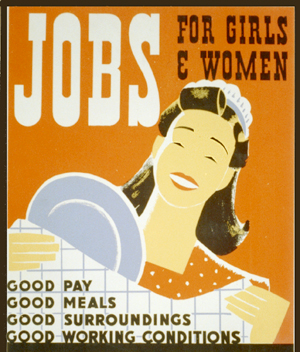
Women’s employment is one of those evergreen issues in the agenda of the old continent. Besides dusty stereotypes that still relegate women to few sectors of care and other social needs, the problem of women’s employment has been worsened by the recent economic crisis. What are the European trends when it comes to women’s education, wages and their presence in decision-making positions?
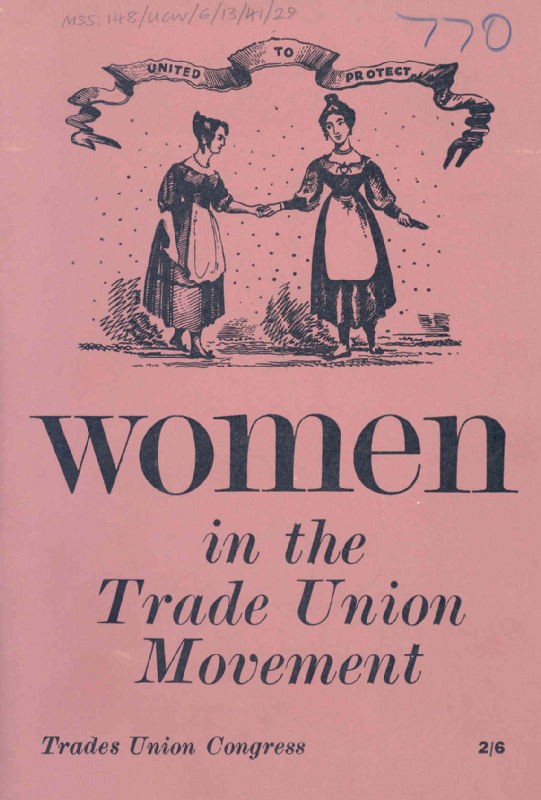
Rights of their members – but women’s needs often go by the board as leadership positions are very male-dominated. Can separate women’s constituencies be the solution? The example of Hungary.
A szakszervezet felelössége, hogy a tagok jogaiért küzdjön. De a nök érdekeit gyakran elhanyagolja a szakszervezeti elnökség, mivel az elnöki pozíciókban túlteng a férfiak száma. Mennyire tud ezen egy külön nöi tagozat segíteni? Egy példa Magyarországról.
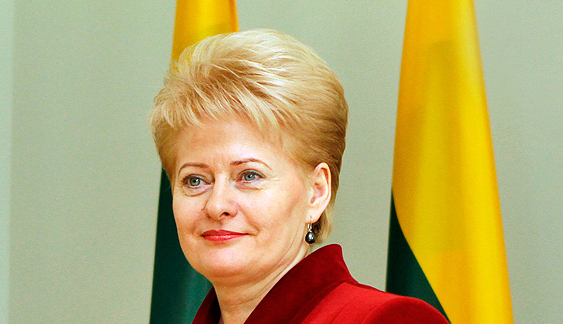
Dalia Grybauskaitė has been twice elected as Lithuania’s president and has been hailed as an influential female leader. A discussion of her career and achievements.
Dukart išrinkta Lietuvos Respublikos prezidente ir buvo įvertinta kaip politinė lyderė. Trumpa diskusija apie jos karjerą ir darbus.
By continuing to use the site, you agree to the use of cookies. more information
The cookie settings on this website are set to "allow cookies" to give you the best browsing experience possible. If you continue to use this website without changing your cookie settings or you click "Accept" below then you are consenting to this.